

In recent years, custom hoodies have become a must-have item in the fashion world, combining comfort and style. Whether for personal wear, promotional events, or team building, creating a high-quality custom hoodie is a rewarding endeavor. This guide will walk you through the key steps of designing and making a unique custom hoodie.
Understand your audience
Before you begin designing, understanding your target audience is crucial. Are you designing hoodies for a sports team, a corporate event, or a fashion brand? Understanding your audience will help you choose the right colors, styles, and designs to resonate with them. You can conduct surveys or focus group interviews to gather information about their preferences.
Choose the right fabric
The fabric you choose is crucial to the quality of your custom hoodie. Common fabrics include cotton, polyester, and blends. Cotton is soft and breathable, making it ideal for casual wear; while polyester is durable and moisture-wicking, making it perfect for sports. When choosing a fabric, consider the intended use of the hoodie to ensure it meets the needs of your target audience.
Design elements
Creativity is paramount when designing custom hoodies. Here are some essential design elements to consider:
- Color Coordination: Choose colors that align with your brand or the message you want to convey. Apply color theory to create visually appealing color combinations.
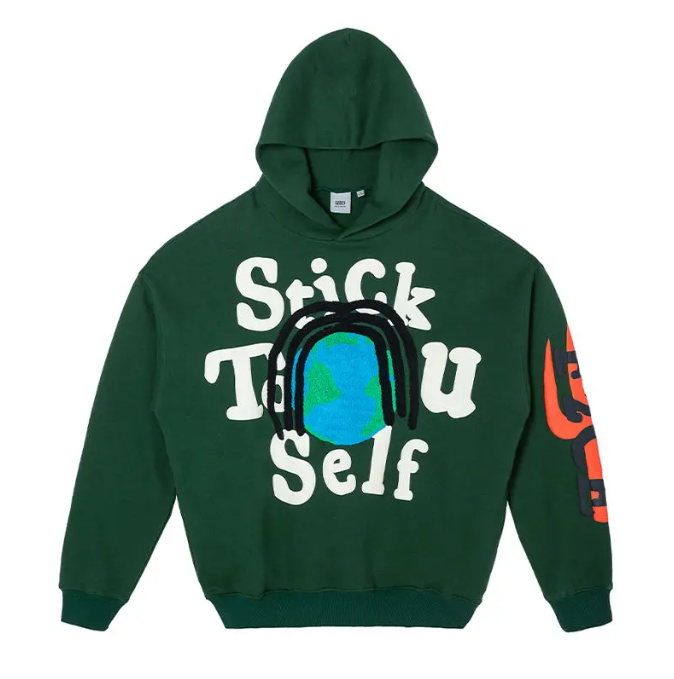
- Graphics and Logos: Use graphics or logos that represent your brand or theme. Ensure the design is high resolution to guarantee print quality.
- Typography: If your design includes text, please choose a clear, legible font that reflects your brand's personality. Also, consider the placement of the text to ensure it complements the overall design.
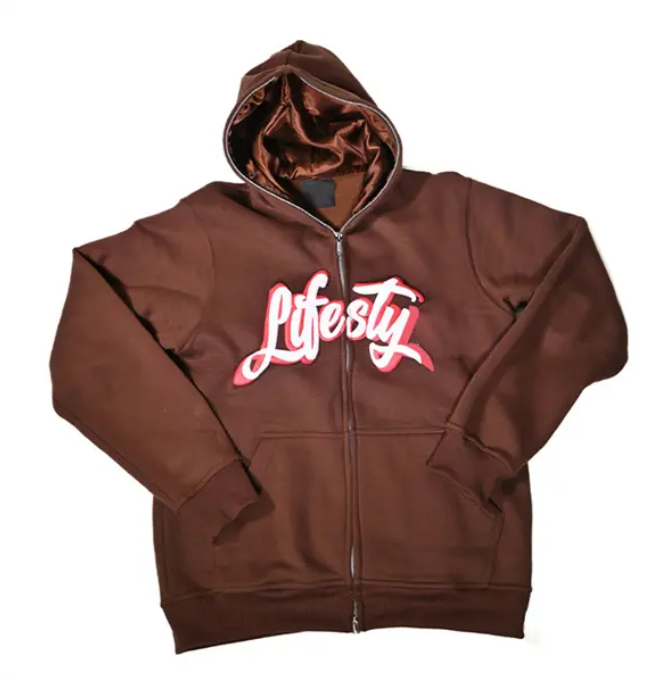
- Style and fit: Determine the style of the hoodie—pullover, zip-up, cropped, or loose-fitting. The fit should suit the preferences of the target audience, whether they prefer a loose or fitted style.
Printing technology
After the design is finalized, the next step is to choose a printing process. The most common printing processes include:
- Screen printing: Screen printing offers vibrant colors and durability, making it ideal for bulk orders. However, its cost-effectiveness may not be high for small-batch orders.
- Direct-to-garment printing (DTG): This method can achieve complex patterns and is suitable for small-batch production. DTG printing uses inkjet technology to print the pattern directly onto the fabric.
- Heat transfer printing: This technique involves printing a design onto special transfer paper, then heating it to transfer the design onto the hoodie. It is versatile and ideal for small-batch orders.
Size and fit
To ensure customer satisfaction, please provide a comprehensive size chart. Consider offering multiple sizes to accommodate different body types. If possible, produce sample hoodies before mass production to test their fit and comfort.
Quality control
Quality control is a crucial part of the production process. Please check the hoodie for any defects, such as stitching issues or printing errors. Conducting quality checks ensures your custom hoodie meets the high standards you expect.
Promote your custom hoodies
Once the custom hoodies are made, it's time to market them. Utilize social media platforms, influencer collaborations, and email marketing to reach your target audience. Showcase the hoodies\' unique features and encourage customers to share their wearing experiences.
in conclusion
Creating a high-quality custom hoodie requires careful planning, design, and execution. By understanding your target audience, selecting the right fabrics, and employing effective printing techniques, you can produce custom hoodies that not only look beautiful but also resonate with your customers. When done right, your custom hoodie can become a hot item in the fashion world.
Post time: Nov-13-2025