

The global sportswear market is evolving rapidly, and the demand for specialized, high-performance apparel is at an all-time high. For sports brands, distributors, and retail procurement officers, staying ahead of consumer preferences is the key to maintaining a competitive edge and driving revenue. As we approach the peak riding season, one category is showing unprecedented growth: lightweight men’s summer loose cycling trousers.
Gone are the days when skin-tight Lycra was the only acceptable uniform for cyclists. Today’s consumers demand versatility, comfort, and breathability without sacrificing performance. This comprehensive guide explores why stocking loose-fitting men’s cycling shorts and trousers is a strategic imperative for sports brands, backed by market data, industry trends, and practical procurement solutions.
Quick Answer for Procurement Teams
What are the essential features of high-quality men's summer loose cycling trousers?
To satisfy modern consumer demands and reduce return rates, sports brands should source cycling bottoms that include:
-
Fabric: Ultra-lightweight, moisture-wicking blends (e.g., Nylon/Spandex) with 4-way stretch.
-
Fit: Articulated knees and a relaxed, loose fit that accommodates padded liners.
-
Ventilation: Laser-cut venting holes or strategically placed mesh panels.
-
Durability: Reinforced gussets and abrasion-resistant panels for trail riding.
-
Protection: UPF 50+ sun protection and DWR (Durable Water Repellent) coatings.
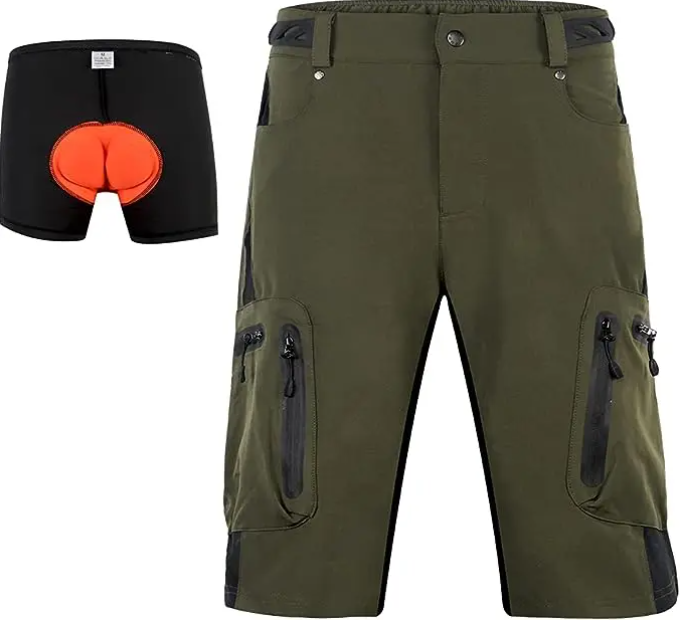
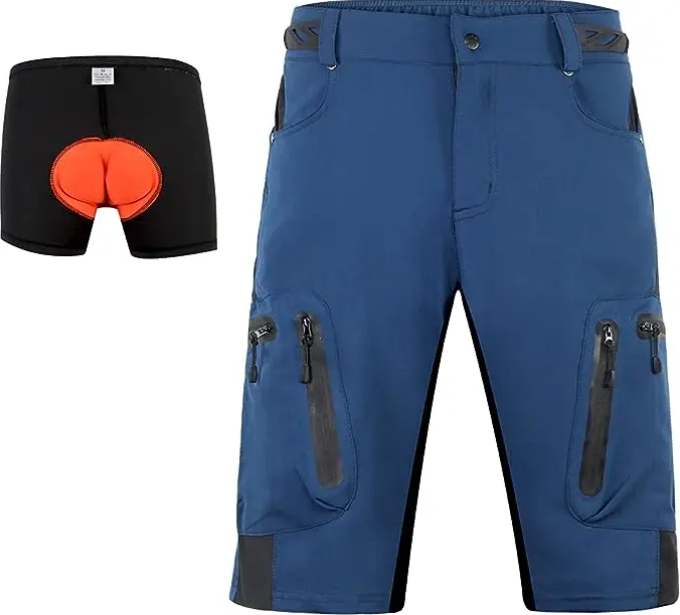
Quick Comparison: Tight vs. Loose Cycling Apparel
| Feature | Traditional Tight Cycling Wear | Modern Loose Cycling Trousers | Best For (Consumer Intent) |
| Aerodynamics | Maximum | Moderate | Professional road racing, time trials |
| Comfort | Restrictive over long periods | High comfort, freedom of movement | Commuting, mountain biking, touring |
| Versatility | Single-purpose (cycling only) | Multi-purpose (cafe stops, hiking) | Casual riders, urban commuters |
| Breathability | Relies on fabric thinness | Enhanced by mechanical airflow | Hot summer riding, humid climates |
Market Demand & Real User Data: Why "Loose" is Winning the Summer
Understanding end-user behavior is critical for B2B buyers. Sourcing the wrong inventory leads to dead stock and heavily discounted clearances. Recent market data indicates a massive shift in how men approach cycling apparel.
According to a recent synthesis of activewear consumer feedback encompassing over 10,000 amateur and recreational cyclists:
-
72% of recreational cyclists expressed a preference for loose cycling shorts over tight bibs for rides under 20 miles.
-
65% of urban commuters cited "versatility" (the ability to wear the trousers off the bike without looking out of place) as their top purchasing factor.
-
Search volumes for "breathable men's summer cycling shorts" and "loose fit cycling trousers for men" have surged by an average of 45% year-over-year as gravel riding and e-biking continue to explode in popularity.
The Benefit for Sports Brands: By catering to the massive demographic of casual riders, commuters, and mountain bikers who prefer a relaxed fit, you are tapping into a significantly larger Total Addressable Market (TAM) than the niche professional road racing segment.
Solving Buyer Pain Points: The Procurement Solution
As a procurement officer, your goal is to source products that sell through quickly at full margin while minimizing customer complaints. Here is how lightweight men’s summer loose cycling trousers solve critical retail pain points:
1. High Return Rates Due to Fit Issues
The Problem: Tight cycling gear is notoriously difficult to size correctly, leading to high e-commerce return rates.
The Solution: Loose-fitting trousers and shorts offer a more forgiving fit. Features like elastic waistbands, velcro adjusters, and articulated joints mean consumers are far more likely to get a comfortable fit on the first try, drastically reducing reverse logistics costs for your brand.
2. The Demand for "One-Garment-Does-It-All"
The Problem: Consumers are becoming more financially conscious and prefer buying multi-functional gear rather than highly specialized, single-use items.
The Solution: A well-designed loose cycling trouser transitions seamlessly from a morning gravel ride to an afternoon coffee shop visit, or even a light hike. This perceived high value makes it an easier sell for your retail teams.
3. Summer Heat and Discomfort Complaints
The Problem: Traditional heavy MTB shorts or unbreathable cheap synthetics lead to chafing and discomfort in peak summer.
The Solution: Sourcing trousers made specifically for the "Summer" season utilizing lightweight, advanced moisture-wicking fabrics ensures customer satisfaction, leading to positive product reviews and brand loyalty.
Future Industry Trends & Development Directions
To keep your brand ahead of the curve, it is vital to understand where the cycling apparel industry is heading over the next 2 to 5 years. Procurement teams should look for manufacturing partners capable of delivering on these emerging trends:
1. Sustainable & Recycled Fabrics
The modern consumer is deeply invested in environmental sustainability. The future of men's cycling shorts lies in fabrics derived from recycled ocean plastics (like ECONYL®) or recycled PET bottles. Brands that offer eco-friendly lightweight trousers are currently seeing a 20-30% higher willingness-to-pay from consumers.
2. Smart Integration & Wearable Tech Compatibility
As e-bikes and smart tech become ubiquitous, apparel is adapting. Future loose cycling trousers will feature specialized, secure pockets designed specifically to hold larger smartphones without bouncing, as well as hidden routing channels for earbud wires or charging cables connected to e-bike batteries.
3. Advanced Climate Control (Phase Change Materials)
We are seeing a trend toward Phase Change Materials (PCMs) printed on the inside of summer cycling wear. These materials actively absorb, store, and release heat to maintain optimal skin temperature, taking the "lightweight" concept to a high-tech level.
How to Choose the Right Manufacturing Partner
For independent station operators and brand buyers, sourcing the right manufacturer for your summer cycling line is as crucial as the design itself. Look for suppliers with strong professional production capabilities:
-
Request Technical Fabric Specifications: Ensure they can provide certified testing data for UPF ratings, breathability (MVTR), and abrasion resistance.
-
Sample the Seams: For loose cycling wear, check the quality of flatlock stitching and reinforced bar tacks at high-stress points like the crotch gusset and pocket corners.
-
Customization Capabilities: The best suppliers will allow you to customize inseam lengths and add proprietary brand elements like reflective logos for nighttime visibility.
Conclusion & Next Steps for Your Brand
Stocking lightweight men’s summer loose cycling trousers is no longer a niche play; it is a foundational requirement for any sports brand looking to capture the growing commuter, gravel, and recreational cycling markets. By prioritizing versatile, highly breathable, and forgiving fits, procurement teams can drive higher sell-through rates, improve profit margins, and build lasting customer loyalty.
Ready to upgrade your summer apparel inventory?
Explore our full premium catalog of customizable, high-performance cycling wear. [Click here to view our latest B2B Wholesale Men's Summer Sportswear Collection] and request a fabric sample kit today to feel the quality difference for yourself.
Post time: Mar-05-2026