
Building an outdoor clothing brand involves more than choosing attractive designs. For retailers, distributors, and private-label brands, the manufacturer behind the products can have a direct impact on quality, delivery, customization, and long-term supply.
When buyers search for a Custom Outdoor Apparel Manufacturer, they are usually looking for a supplier that can turn an idea into a finished product while keeping quality and production requirements under control. From outdoor jackets and sportswear to hoodies, pants, and accessories, a flexible manufacturing partner can make product development much easier.
What Should Buyers Look for in an Outdoor Apparel Manufacturer?
Not every clothing supplier offers the same level of customization. Before placing an order, buyers should look at several key areas.
1. Product Range
A manufacturer with a broader product range can be more useful for brands that plan to develop several product categories.
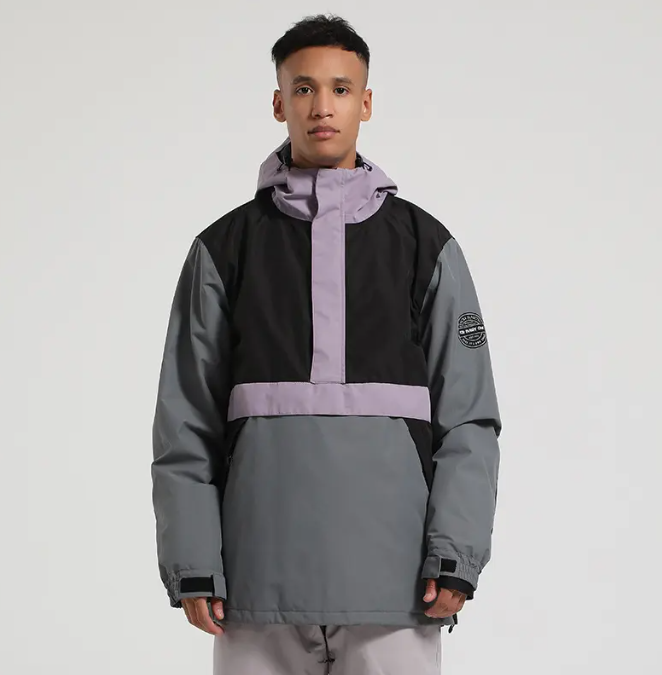
Outdoor clothing may include jackets, windbreakers, hiking wear, ski jackets, hoodies, T-shirts, sportswear, pants, and other accessories. Having different categories available through one supplier can simplify communication and production management.
For growing brands, this can also make it easier to develop seasonal collections instead of sourcing every product from a different factory.
2. OEM and ODM Capability
A reliable OEM Apparel Manufacturer should be able to work with different levels of customization.
Some buyers already have complete technical drawings and only need production. Others may have a product idea, reference sample, fabric requirement, or basic design and need help developing the finished garment.
OEM and ODM services can cover areas such as:
- Product design
- Fabric selection
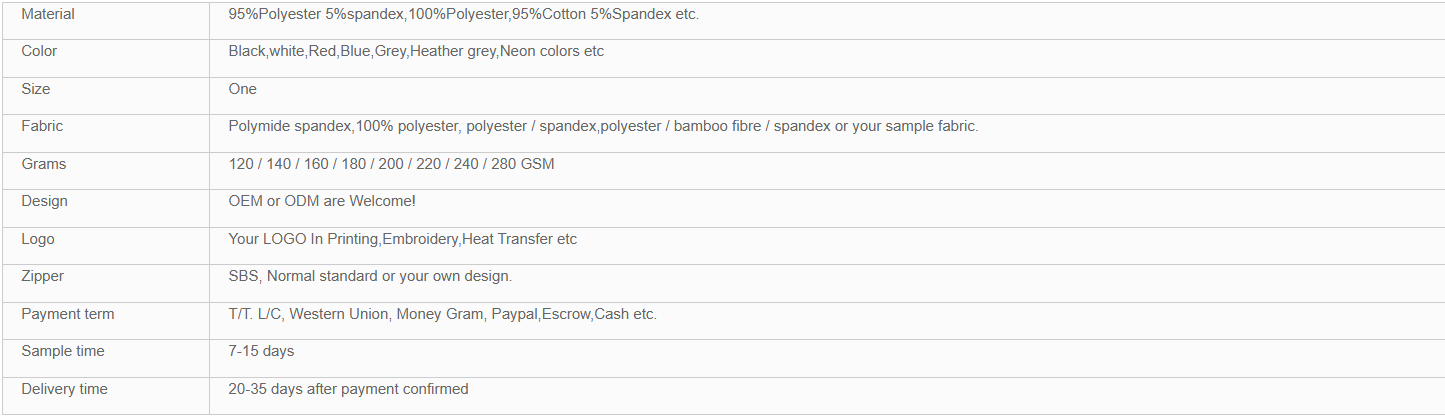
- Colors and sizing
- Logo application
- Labels and tags
- Zippers and accessories
- Packaging
- Sample development
This flexibility is especially useful for private-label brands that want to create products that are different from standard wholesale clothing.
Why Fabric Selection Matters for Outdoor Clothing
Outdoor garments need to perform in different environments. A jacket designed for skiing does not necessarily require the same fabric construction as a lightweight hiking jacket.
Fabric selection should therefore be based on the intended use of the product.
For example, brands may consider polyester, nylon, blended fabrics, stretch materials, or other technical textiles depending on the target market and product requirements. Factors such as weight, flexibility, durability, water resistance, breathability, and comfort can all influence the final product.
For Custom Outdoor Jackets, fabric selection should be confirmed before production rather than treated as a simple appearance choice.
A good supplier should also be able to discuss fabric options with the buyer and develop samples before bulk production.
Customization Helps Private-Label Brands Stand Out
For a Private Label Clothing brand, adding a logo to an existing garment is only one part of customization.
A more complete approach can include the garment's color, fabric, fit, logo position, labels, packaging, and other details.
For example, an outdoor retailer may want a lightweight jacket in several brand colors, while another company may require a heavier winter jacket with a specific logo application and packaging design.
These differences may seem small, but they can have a significant effect on the final appearance of a collection.
Customization also allows brands to create products for specific customer groups instead of competing only on price with standard products.
Sampling Before Bulk Production
Sampling is an important step in custom apparel manufacturing.
A product may look correct on a drawing or reference image but still require adjustments after the first physical sample is produced. Fit, fabric feel, color, stitching, logo position, zipper selection, and other details are easier to evaluate on an actual garment.
A typical development process can include:
Design → Fabric Selection → Sample Development → Sample Approval → Bulk Production → Quality Inspection → Packaging
This process gives buyers an opportunity to identify problems before committing to a larger order.
For seasonal outdoor products, early sampling can also give brands more time to adjust their collections before the selling season begins.
Custom Sportswear and Outdoor Apparel for Different Markets
The outdoor clothing market is not limited to professional athletes or outdoor enthusiasts.
Retailers may sell products for hiking, camping, skiing, travel, fitness, casual outdoor activities, or everyday wear. Different markets can require different combinations of comfort, performance, appearance, and price.
This is where Custom Sportswear and outdoor apparel development become valuable.
A supplier that can work with different materials, designs, colors, and product categories can support brands as they test new markets or expand their existing collections.
Instead of developing every product from scratch with a different supplier, buyers can build a longer-term relationship with one experienced manufacturing partner.
Why Production Capability Matters
Customization is only useful when the supplier can deliver the finished products consistently.
Production capability, quality control, sample development, and communication should therefore be considered together.
Aidu's official company information states that its factory was established in 2011 and has more than 500 professional workers and over 1,000 sets of machines. The company also works with professional factory partners to expand its product development and manufacturing capabilities.
For buyers, this type of production structure can be particularly useful when product requirements change between different collections or categories.
A Flexible Partner for Wholesale Outdoor Clothing
For companies sourcing Wholesale Outdoor Clothing, price is important, but it should not be the only consideration.
A supplier should also be able to communicate clearly about product specifications, samples, customization, production schedules, and packaging.
Aidu provides customized garment and accessory services covering products such as jackets, hoodies, T-shirts, pants, leggings, shorts, socks, hats, and bags. Its website also highlights OEM and ODM services from design through packaging.
This broader product capability can give outdoor brands more flexibility when developing a complete product line.
Build Your Outdoor Apparel Collection with the Right Manufacturer
Choosing a Custom Outdoor Apparel Manufacturer is ultimately about finding a supplier that can match your product requirements, customization needs, quality expectations, and production plans.
For a new outdoor brand, the process may start with one jacket or a small collection. As the brand grows, the same manufacturing relationship may expand into sportswear, hoodies, pants, accessories, and other apparel categories.
A clear development process, suitable materials, careful sampling, and reliable production can help reduce unnecessary changes and create more consistent products.
For brands looking to develop customized outdoor clothing, OEM apparel, private-label products, or sportswear, working with an experienced manufacturer can provide a practical foundation for long-term product development.
Post time: Sep-30-2026